10 Comfort Upgrades That Make Remote Bucket List Road Trips Easier
Australia 20 October 2026
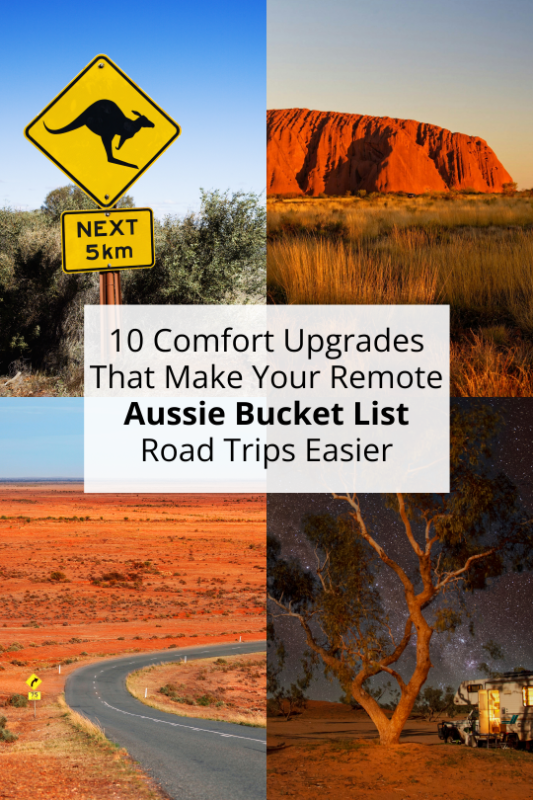


Not every shiny gadget belongs in a van heading for the red centre. The real decision is sorting outback caravan trip essentials from gear that simply adds weight and power demand. Here are 10 optional comfort upgrades, each matched to a specific outback inconvenience and a practical selection check, so you can prioritise for your own route and season rather than buy the lot.
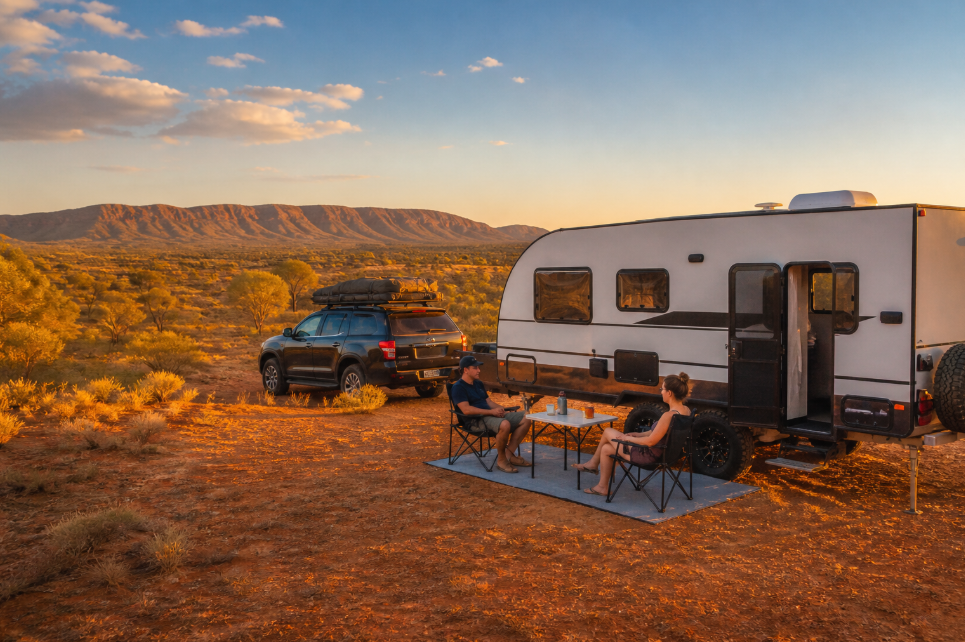
Manage hot days and cold desert nights
1. Awning and shade setup. Exposed camps offer little natural shade, so a good awning turns a hot van into a usable outdoor living area, especially on longer daytime stops. Before buying shade panels, check your van's mounting arrangement and the awning's dimensions. Secure everything as the instructions say, and retract the awning when winds are unsuitable rather than trusting tie-downs to cope.
2. 12V ventilation. Moving air makes warm evenings in the sleeping and sitting areas far more bearable without the heavy demand of air conditioning. Check current draw, noise at sleeping speed and whether it suits your mounting position or roof opening. Be clear about what a fan does: it moves air, it does not refrigerate it, and it does not make extreme heat safe. A fan that runs all night is still worth planning into your power budget, because a flat battery means a sweaty night.
3. Caravan heating. Desert days can be warm but the nights surprisingly cold, with sub-freezing temperatures possible depending on the season. Choose properly installed, caravan-rated heating that suits your van's size, fuel supply and electrical capacity, and never use unflued combustion heaters or cooking appliances as indoor space heaters. If heating isn't already fitted, have it installed by a qualified person.
Plan solar and battery capacity together
4. Solar charging. Panels replenish the energy your everyday comforts use during multi-night stays away from powered sites. Compare the convenience of roof-mounted panels with portable ones that can sit in sunlight while the van stays shaded, and either way, check compatibility with your existing solar controller and battery charging requirements.
5. Suitable battery capacity and monitoring. Enough storage keeps evening comforts running and removes the guesswork about what's left, particularly on longer stops or cloudy days. Check usable rather than nominal capacity, whether the battery chemistry suits your existing chargers, and whether the monitor suits your battery system.
These two upgrades only make sense together, and both depend on what you actually run. Multiply each appliance's watts by its daily operating hours to estimate watt-hours, including loads you already have, such as the fridge, and any inverter losses. Then match usable battery storage and realistic solar replenishment to the length of your stay. Shade, dust, cloud and winter sunlight all cut solar output, so build in an energy margin and a fallback charging plan. An ordinary caravan solar setup won't run air conditioning indefinitely, so size for real daily consumption, and seek qualified advice before changing the electrics.
Improve sleep and settle comfortably on uneven campsites
6. Supportive bedding. Long driving days leave you stiff, and pressure points make for restless nights on an extended trip. Consider a supportive mattress or suitable topper rather than automatically replacing everything. Measure your bed's shape, and check that added thickness won't obstruct lift-up storage access or ventilation, or add too much weight.
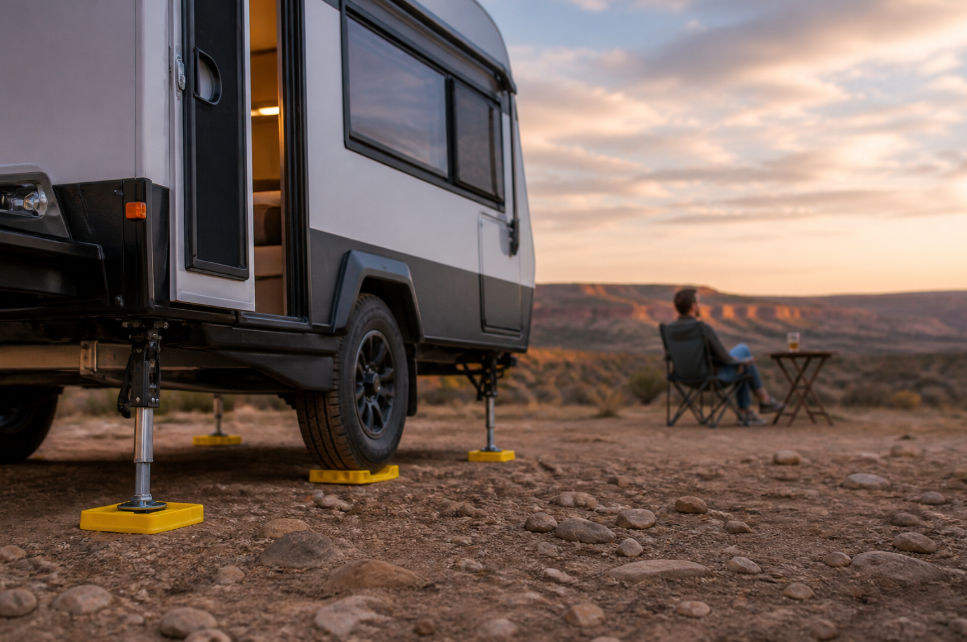
7. Levelling equipment. Many bush camps are uneven, and a sloping van makes sleeping and moving about unpleasant; one traveller notes that even a slightly wonky van can bring on nausea. Check that ramps or blocks suit your tyre width and load rating, and use them as instructed with appropriate wheel chocks. Remember too that stabiliser legs are no substitute for lifting or levelling the van.
Make drinking water and evenings at camp more pleasant
8. Drinking-water filtration. A filter can improve taste or reduce sediment in otherwise suitable water, which helps when refill quality varies along the route. Check the filter's stated contaminant-removal capabilities, connection size and flow requirements, and follow the cartridge replacement guidance. Filtration doesn't make every source safe and never replaces adequate drinking-water reserves, as not all water sources in Australia are safe or reliable.
9. Insect screens. Flies can be relentless in the outback, and mosquitoes gather near waterways, so screens let you leave doors and windows open in warm weather. Check frame dimensions, edge seals and mesh suitability for local insects, without blocking required ventilation.
10. Low-draw campsite lighting. Good light makes reading, cooking dinner and moving around camp easier after sunset without draining the battery. Choose dimmable LED lighting with suitable weather protection, and check its actual wattage and power connections. Direct the light downwards and switch it off when it's not needed, which preserves the dark skies and your neighbours' comfort.
Choose your outback caravan trip essentials before adding weight
Start by checking your route's access conditions, likely daytime and overnight temperatures, the length of unpowered stays, reliable water refill points and the equipment you already have. Comfort upgrades don't make every caravan suitable for remote tracks. Then rank the upgrades by the discomfort most likely to affect this trip, and compare cost, installed weight, storage space, power use and maintenance. Warm-weather trips may favour shade, ventilation and screens, winter desert trips may justify heating, and existing bedding or power equipment may need nothing at all.
Before committing, check your remaining payload and loaded weight limits, including water and any heater fuel. Water weighs about 1 kg per litre, so keep necessary reserves rather than sacrificing them for accessories. When you're ready to source gear, RV Parts Express is an online source for caravan parts and comfort accessories, so it's worth checking there for outback caravan trip essentials such as compatible shade, ventilation, heating and solar options. Confirm current availability and fit for your van before you buy.
Your next step is to test the chosen setup on a short unpowered stay, measure actual consumption and check comfort before you leave. These 10 upgrades don't replace remote-trip preparation, emergency communications or adequate water reserves.
Book your experience now!