How to Plan Food for a Family Picnic
Australia 27 August 2026



How to Plan Food for a Family Day Out Without Packing the Whole Kitchen
A good family day out should feel like a break, not a catering job. Yet it is easy to overpack when you are trying to keep children, grandparents and hungry adults happy. The answer is not a bigger cooler. It is a simpler menu built around food that travels well, can be shared easily and does not need much preparation once you arrive.
Start with the part of the meal that usually creates the most work. A practical option such as party-sized salads can cover a larger group without asking someone to spend the morning chopping, mixing and packing several separate containers. Add one main item, a few simple snacks and drinks, and the whole meal becomes easier to carry and serve.
Plan for the people, not an ideal menu
Before choosing food, make a quick headcount and note any dietary needs. Then think about how the group will actually eat. Will everyone sit at a picnic table, or will children be moving between the playground and the grass? Are there older relatives who would prefer a proper plate and cutlery? Will you have access to shade, running water or a barbecue?
These details matter more than producing an impressive spread. Food that needs careful plating may be perfect at home but awkward at a beach or national park. Choose dishes that can be portioned quickly and eaten without balancing several bowls at once.
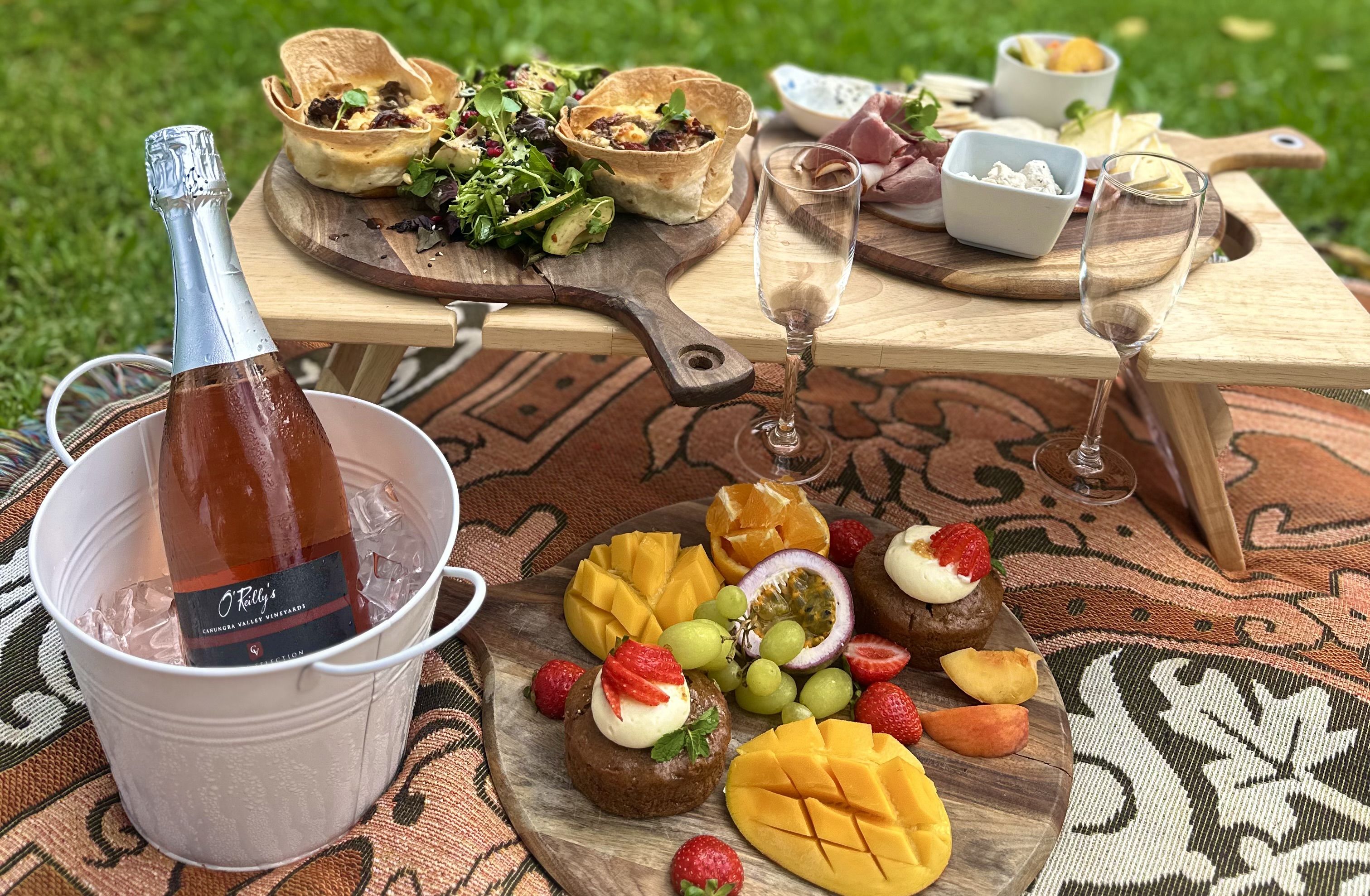
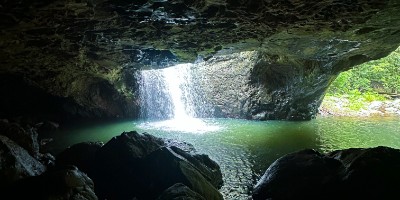
Image credit: Samantha Porter - Aussie Bucket List
Use a simple meal formula
A reliable group menu needs only four parts: a main item, a substantial side, something fresh and one treat. The main might be roast chicken pieces, sandwiches, wraps or meat (chicken and veggie kebabs or sausages) cooked on a public barbecue. A pasta, potato, grain or leafy salad can make the meal feel complete. Whole fruit or cut vegetables add freshness, while a sweet slice, freshly fruit or small cake gives the day a celebratory finish.
Try not to bring several versions of every course. Too much choice creates more containers, more serving utensils and more leftovers. If the group has different dietary needs, label the relevant dishes clearly and pack their serving tools separately to reduce confusion.
Pack in the order you will use it
Place drinks and early snacks near the top of the cooler. Keep the main meal lower down so it stays cold and is not disturbed every time someone wants water. Pack plates, napkins and cutlery together in one bag. A roll of paper towel, rubbish bags and a reusable tub for dirty utensils will make the trip home much tidier.
Cold food needs particular care on warm Australian days. The NSW Food Authority’s picnic food safety guidance recommends keeping cold food chilled and putting leftovers back into the cooler promptly. Frozen water bottles or ice bricks can help, and they are most effective when the cooler is kept closed and out of direct sun.
Build in a little flexibility
Outdoor plans change. Children may eat earlier than expected, the barbecue may be busy or the weather may turn. Bring at least one item that can be eaten immediately, such as fruit, crackers or a simple sandwich. It buys time without spoiling the main meal.
It also helps to portion some food before leaving home. You do not need to divide everything into individual containers, but cutting bread, washing fruit and packing serving spoons will prevent small tasks from becoming irritating at the destination.
Leave room for the day itself
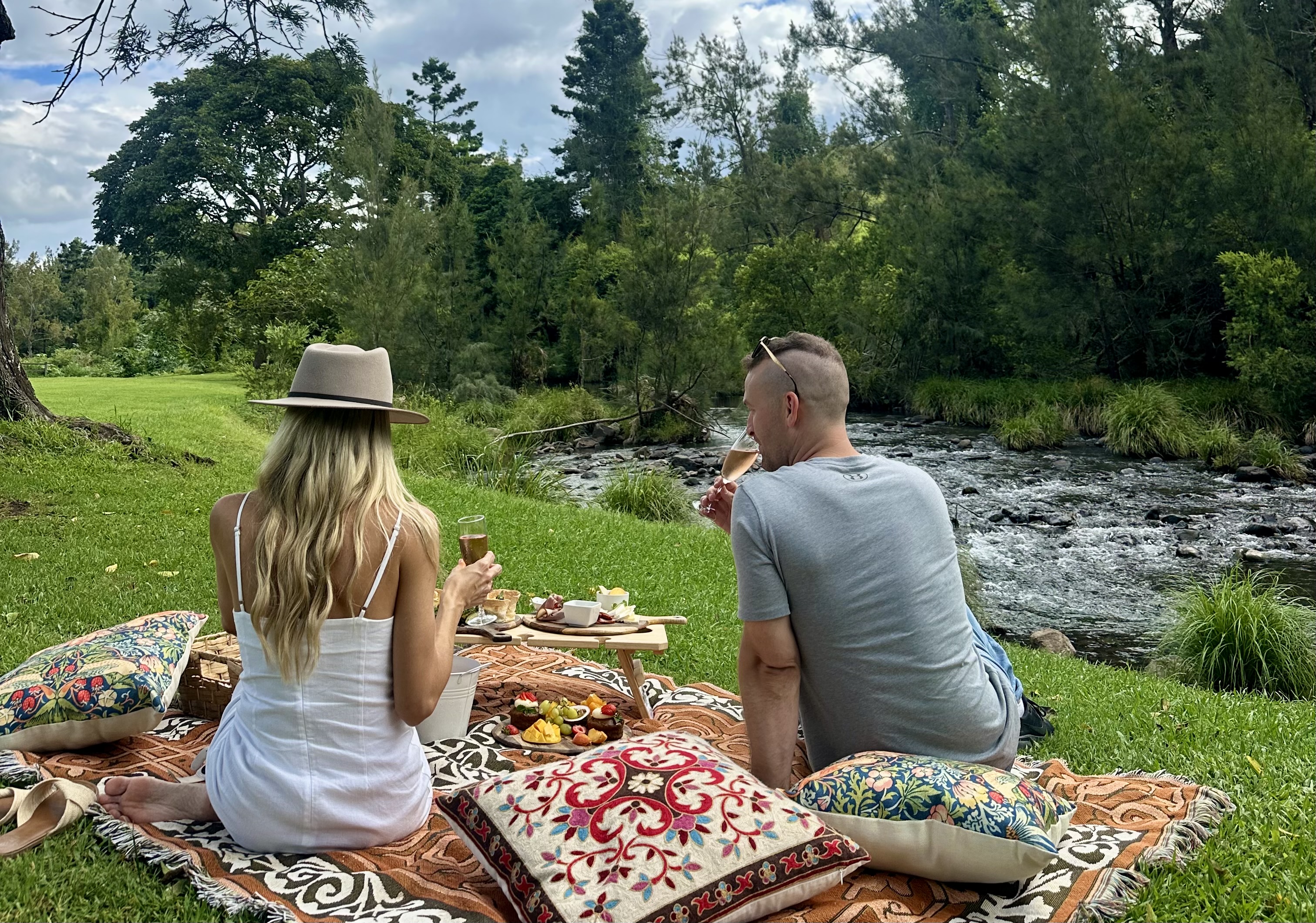
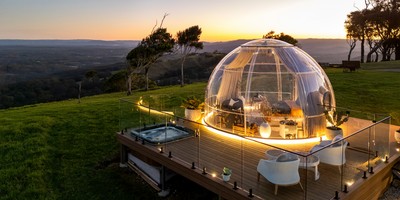
Image credit: Samantha Porter - Aussie Bucket List
The best picnic menu is the one that lets everyone enjoy where they are. A few well-chosen dishes will usually serve a group better than an elaborate buffet. Keep the food familiar, make transport easy and pack with the order of the day in mind. You will spend less time managing containers and more time walking, swimming, talking or watching the children explore.
Book your experience now!