7 Open Water Swimming Experiences to Add to Your Australian Bucket List
Australia 07 August 2026
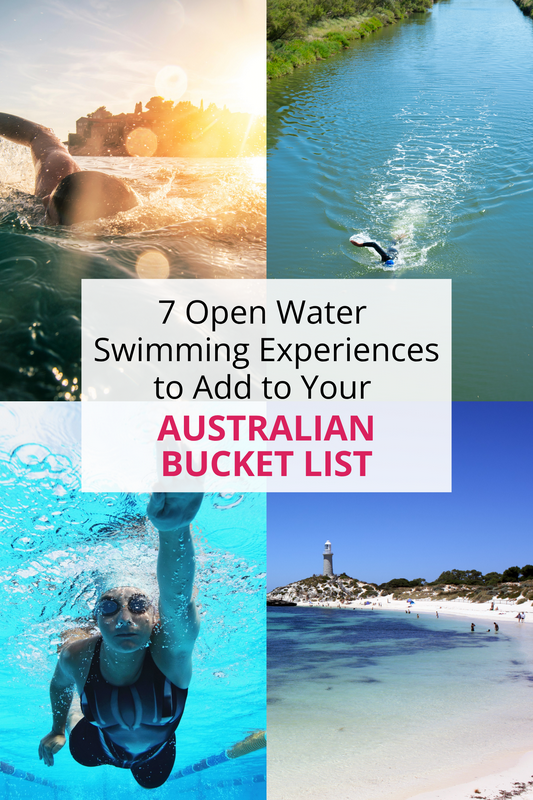



There's a moment most swimmers eventually chase: the one where you leave the black line of the pool behind for open water. The ocean stretches out in every shade of blue, and your heart picks up. That's the pull that makes lap lanes stop being enough.
Australia is one of the best places on earth to feel it. From turquoise tropical bays to the wildest ocean crossings, few countries pack in this much variety.
Seasoned ocean swimmer or nervous beginner just talked into it by a coach; these seven experiences belong on your Australian Bucket List. Different distances, climates and skill levels, each offering something a chlorinated rectangular concrete swimming pool never will.
Rottnest Channel Swim: Australia's ultimate open water challenge
The Rottnest Channel Swim covers 19.7 km of the Indian Ocean between Cottesloe Beach and Wadjemup (Rottnest Island) in Western Australia. It's one of the biggest marathon swims in the world, held each February for solos, duos and teams of four.
The months of structured training build your endurance base, but the real value of coaching sits elsewhere: sharpening your sighting technique, working on open water navigation, rehearsing feeds from the support boat.
On the day, conditions swing wildly. Swell can reach two metres, cross-currents push you off the line, and dolphins or sea lions sometimes appear mid-swim, a surreal bonus rather than a hazard. Finishing on the island, to cheers and the smell of fish and chips, makes every training hour worth it. Entries sell out within days, so mark the opening date.
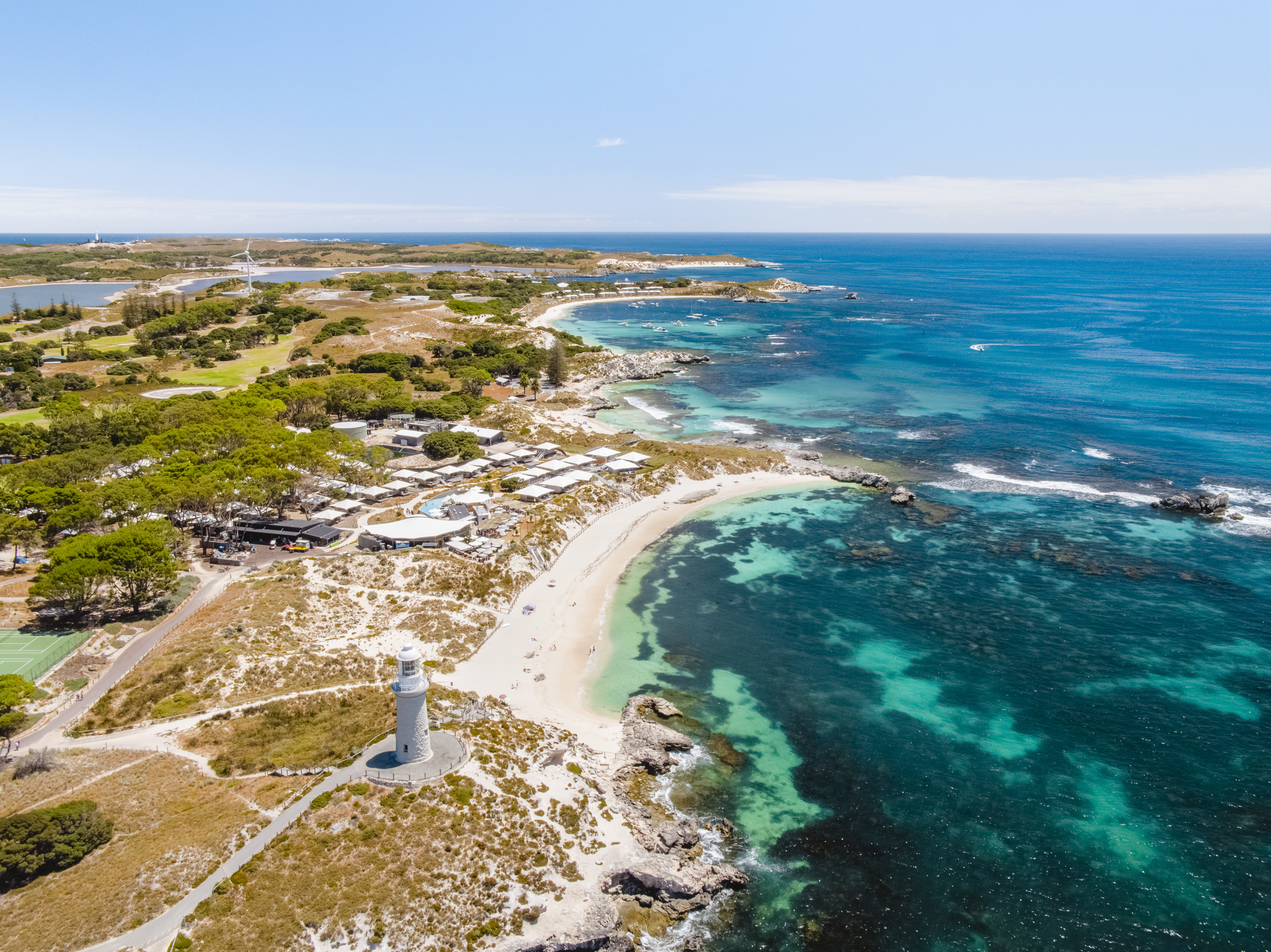
Image credit: Tourism Australia
The Lorne Pier to Pub, a rite of passage for ocean swimmers
Around 4,000 swimmers launch off Lorne pier each January, which makes it the largest open water swim in the world by participant numbers. The 1.2 km course follows Louttit Bay along the Great Ocean Road in Victoria before finishing on the beach in front of the surf club.
What sets it apart is the community DNA. The Lorne Surf Lifesaving Club runs the whole thing on volunteers, and the mood is closer to a seaside festival than a race. Families line the foreshore, music plays at the finish, and swimmers of every level share the same water.
Beginners often dread the waves at the start and finish. A coach used to bay swims will teach you to get through the break, finish with a body-surf and save energy in the pack. Entry runs through a ballot, so apply early and cross your fingers.
Bondi to Bronte and Sydney's coastal swimming culture
Sydney's eastern suburbs host one of Australia's most iconic ocean swims. The Bondi to Bronte route runs past dramatic sandstone cliffs, the Icebergs pool, Tamarama Point and Mackenzies Bay before touching the wall at Bronte Beach.
The distances suit every profile: a 500 m for a first ocean race, a 1 km middle step, and the full 2.2 km for confident swimmers.
Sydney's open water scene doesn't stop there. Harbour swims at Parsley Bay, natural-pool sessions at Coogee and the Cole Classic at Manly each offer a different coastal flavour. A local swimming coach who understands the currents and swell patterns of this coastline can speed up your progress while keeping you safe.
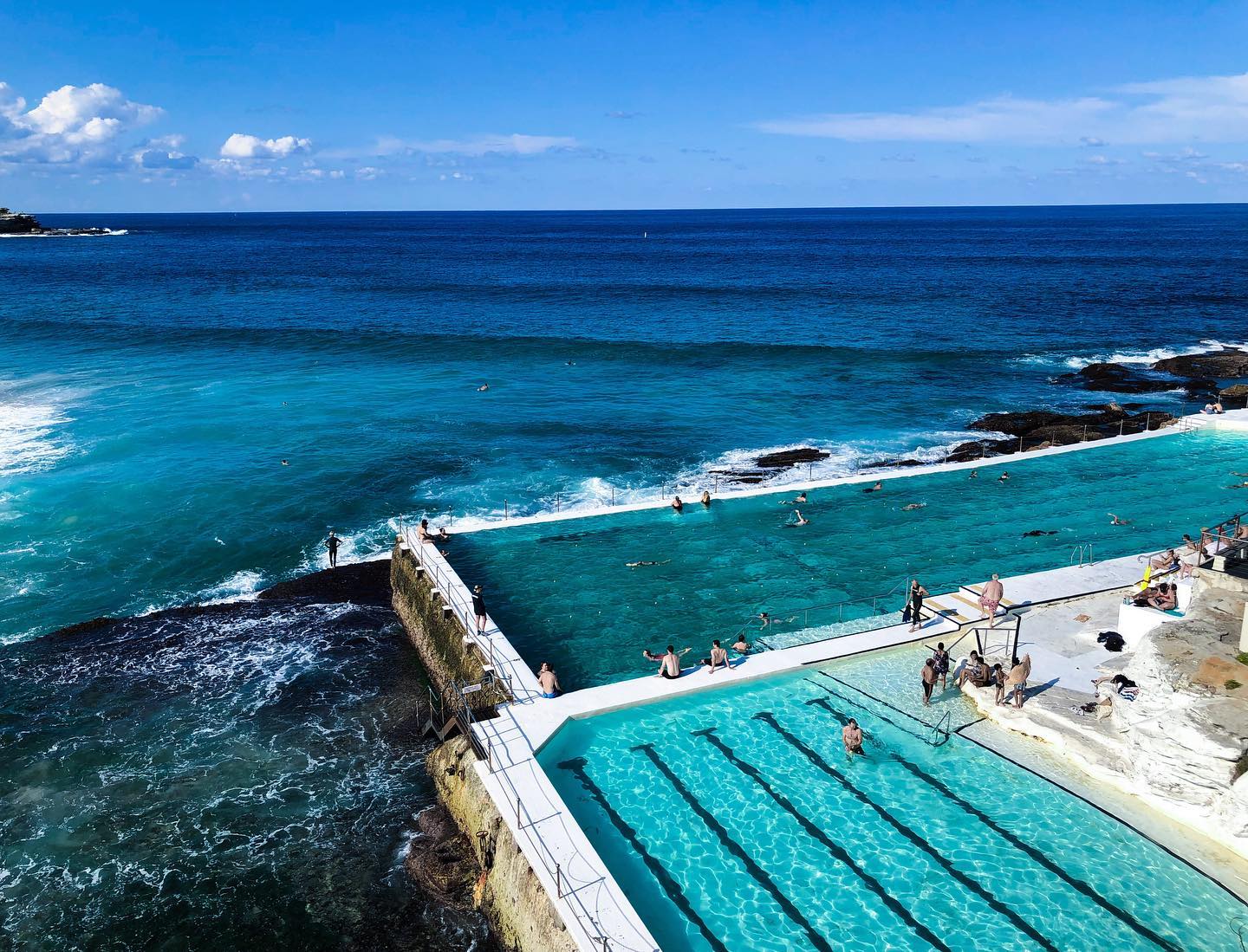
Image credit: Samantha Porter - Aussie Bucket List
Swimming the Great Barrier Reef at Whitehaven Beach
You lift your head to sight, and a green turtle glides beneath you, outlined against white silica sand. The Whitehaven Beach Ocean Swim on Hamilton Island drops you into the heart of the Great Barrier Reef, over distances of 2 km and 750 m.
Every breath reveals something remarkable. Tropical fish dart between coral bommies, the water turns an almost unreal turquoise, and the green peaks of the Whitsundays fill the horizon. The sensory overload is real, and it can make you forget your pace.
Warm tropical water brings its own demands. Heat fatigue sets in faster than you'd expect, sun exposure adds up, and swimming without lane ropes calls for constant sighting. A coach who specialises in triathlon or open water can drill those habits in training, so you enjoy the reef instead of fighting it.
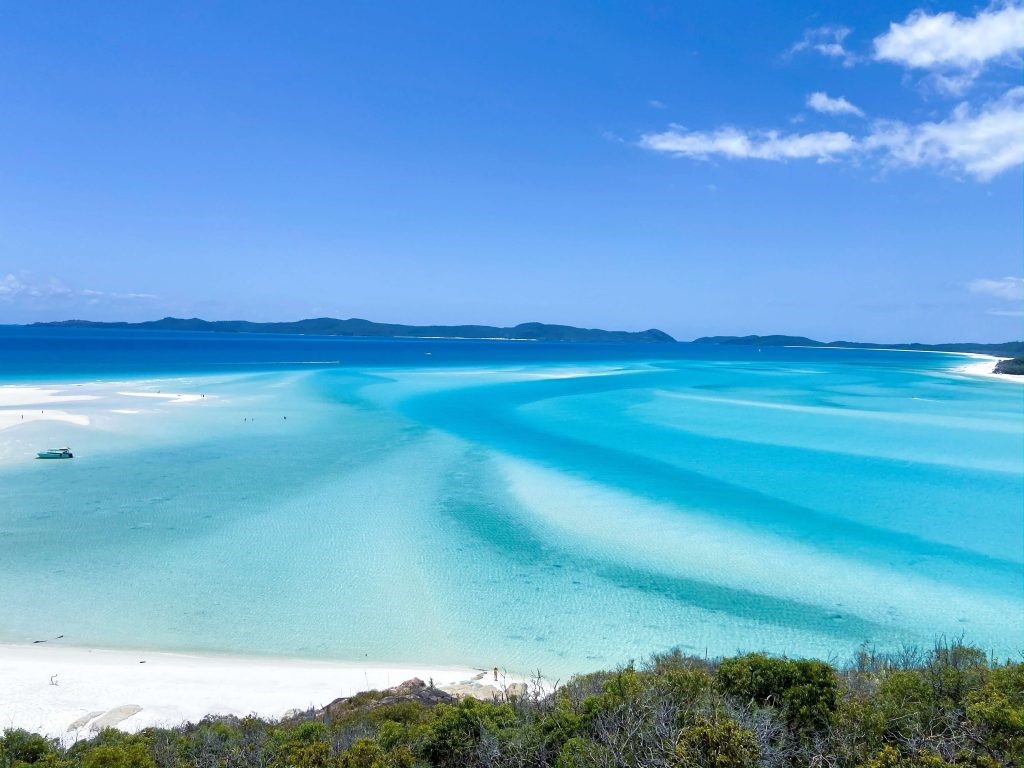
Image credit: Samantha Porter - Aussie Bucket List
Wild swims worth the detour, from the Top End to Tasmania
Buley Rockhole and Bitter Springs, Northern Territory
Buley Rockhole, in Litchfield National Park, tumbles through a series of natural pools, each spilling into the next. Reachable on a day trip from Darwin, the swimming there sits somewhere between a water park and a sacred site.
Further south, near Mataranka, Bitter Springs offers cobalt-blue thermal water fringed with tropical palms. A gentle current carries you downstream under a pandanus canopy. Access closes during the wet season, roughly November to April, so aim for the dry.
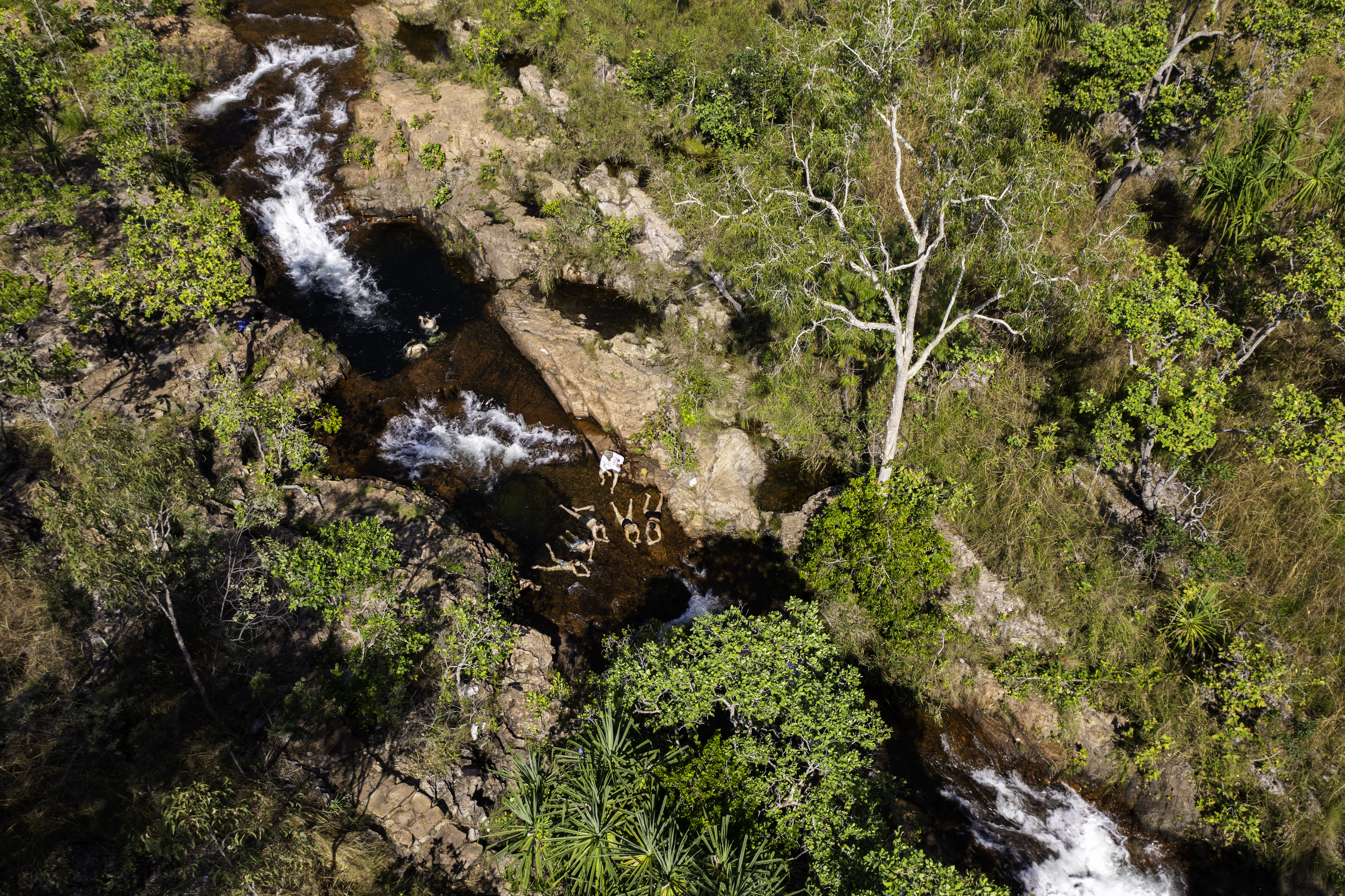
Image credit: Tourism Australia
River and sea swimming in Tasmania
Tasmania sits at the other end of the temperature scale. It regularly drops below 18°C, even in summer. The reward is pristine river gorges, deserted coastline and dramatic scenery you'll have almost to yourself.
A coach experienced in cold-water acclimatisation can guide your wetsuit choice, teach breathing techniques that head off cold shock, and build a gradual exposure plan. The Derwent River at Hobart and the east coast around the Freycinet Peninsula both offer world-class wild swimming, provided you prepare for it.
How a swimming coach sets you up for open water
Solo laps build fitness, but they rarely meet the specific demands of the sea or a river. A qualified coach fills that gap by working on skills you can't pick up alone:
- Stroke correction for efficiency over distance, cutting energy leaks in the catch and kick
- Bilateral breathing so you can take chop from both sides
- Sighting technique to swim straight without lifting your whole head
- Drafting in a pack to save energy on bunched starts
- Anxiety management in deep, murky or choppy water
- Race pacing calibrated to your target distance
Australian bodies such as SWIM Coaches & Teachers Australia set nationally recognised accreditation standards. Look for coaches with an open water or triathlon specialisation rather than a pure pool background.
Your coach will also advise on the right gear. A wetsuit for water under 20°C, a bright-coloured cap, anti-fog goggles, a pull buoy for solo training and reef-safe sunscreen cover the essentials. Personalised coaching turns a distant dream into a structured, reachable goal with clear milestones.
Practical tips for planning your open water bucket list
Timing matters more than most swimmers think. The southern events (Lorne, Bondi, Rottnest) run through the austral summer, November to March. Top End adventures like Buley Rockhole and Bitter Springs call for a dry-season visit, May to October. Tasmania's coastal swims peak in January and February, when the water is at its most bearable.
Here's a quick comparison:
- Rottnest Channel Swim: Distance - 19.7km | Season - February | Level - Experienced
- Lorne Pier to Pub: Distance - 1.2km | Season - January | Level - All levels
- Bondi to Bronte: Distance - 500m to 2.2km | Season - Australian Summer | Level - All levels
- Whitehaven Beach: Distance - 750m to 2km | Season - Australian Winter | Level - Intermediate
- Buley Rockhole / Bitter Springs: Distance - 19.7km | Season - Dry season (Winter) | Level - All levels
- Tasmania: Distance - 19.7km | Season - Australian Summer | Level - Adventurous
Entry timelines vary a lot. The Lorne Pier to Pub works on a ballot that opens months ahead. Rottnest Channel Swim spots go within days. Check the official sites at least eight months out and turn on email alerts.
Safety should guide every decision. Train with a buddy, enter events with lifesaving cover, and learn to spot rips before you set foot in unfamiliar water. Local surf lifesaving clubs often run free beach-safety sessions worth taking.
A progressive schedule keeps motivation up and injuries down. Start with a 1 km ocean swim to test your comfort zone. Move up to a 2 to 5 km event the following season. Once you've banked the distance and done the technical work with your coach, a channel crossing becomes a realistic goal rather than a fantasy.

Book your experience now!