Expedition Trips: What You Need to Know Before You Go
Australia 01 November 2026


What an Expedition Trip Asks of You
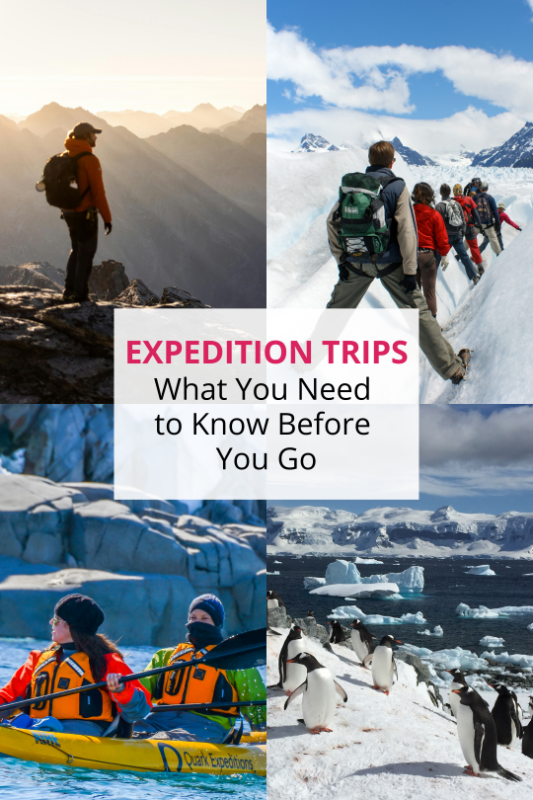
Signing up for an expedition trip means something different than booking a beach week or a city tour. You're committing to a itinerary shaped by weather, wildlife, and terrain rather than a fixed schedule you can count on. Before handing over a deposit, it helps to understand exactly what these trips demand, because the people who enjoy them most are the ones who showed up prepared for the reality rather than the brochure.
Physical Readiness, Not Just Fitness
Most expedition operators list a fitness level for each trip, usually on a scale from easygoing to strenuous. A polar voyage with Zodiac landings might ask you to climb in and out of an inflatable boat in choppy water, sometimes several times a day. A trek through Patagonia could mean six to eight hours of walking over uneven ground with a daypack.
The fitness requirement matters less than your ability to handle unpredictability in your body. Altitude sickness doesn't care how many miles you can run at sea level. Seasickness doesn't discriminate by gym membership. Training beforehand helps, but so does being honest with yourself and the operator about pre-existing conditions, mobility limits, and how you handle discomfort that doesn't let up for hours.
A Different Relationship With Time
Expedition schedules are built around conditions, not convenience. Sea ice might block a planned landing site in Antarctica, pushing the whole day's plan to shift with a few hours' notice. A river crossing in the Amazon basin might be impassable after heavy rain, rerouting a trek that was printed on your itinerary months earlier.
This isn't a flaw in the trip design. It's the nature of traveling somewhere that isn't built for tourism on a fixed clock. Guides and expedition leaders are constantly reading weather reports, wildlife movement, and local conditions, and the plan you see on day one is a draft, not a contract. Travelers who get frustrated by this tend to have the hardest time; those who treat flexibility as part of the adventure tend to have the best trips.
Comfort With Being Disconnected
Satellite internet exists on many expedition vessels and in some remote lodges now, but it's often slow, expensive, or limited to a few hours a day. On a true backcountry trek or a multi- week sailing expedition, there may be no connectivity at all for stretches of ten days or more.
This asks something of you beyond patience. It means telling work colleagues and family in advance that you'll be unreachable, setting up out-of-office replies that actually hold for the full trip, and mentally preparing for the fact that news, messages, and social media will simply wait. Many travelers report that this forced disconnection is one of the more valuable parts of the experience, once the initial itch to check a phone fades after the first two or three days.
Financial Planning Beyond the Base Price
Expedition trips tend to have a higher sticker price than standard tours because of what's built into that cost: specialized vessels or vehicles, trained naturalists and guides, permits for protected areas, and logistics for reaching places without regular tourism infrastructure. But the quoted price rarely covers everything.
Polar gear rental, travel insurance with emergency evacuation coverage, visa fees for multiple countries, and tipping guides and crew can add several hundred to a few thousand dollars on top of the base cost. Operators that run programs like National Geographic expeditions are generally upfront about what's included, which makes it easier to budget accurately rather than getting surprised by add-on costs once you're already committed.
Respect for Places That Don't Belong to Tourists
An expedition often brings you into ecosystems and communities that exist independent of tourism, and that status needs protecting. Guidelines around wildlife viewing distances, waste disposal, and interaction with local communities aren't suggestions; they're often legally enforced, particularly in places like Antarctica under the Antarctic Treaty System or in national parks with strict visitor caps.
This means accepting limits you might not encounter elsewhere. You may not be able to approach a penguin colony closer than five meters, or photograph certain ceremonies, or deviate from a marked trail even when the view looks better ten feet to the left. Following these rules isn't about bureaucracy; it's what keeps these places accessible for the next group of travelers and, more importantly, keeps the wildlife and ecosystems from being disrupted by visitor behavior that accumulates over seasons.
Mental Flexibility When Plans Change Twice
Beyond scheduling shifts, expeditions sometimes demand real-time decision-making that affects the whole group. A sudden storm might mean skipping a highly anticipated landing. An injury in the group might shorten a planned hike for everyone. These moments test patience and group dynamics in ways a typical vacation never does.
Travelers who do well treat these changes as part of the story rather than a disappointment to complain about. The guides making these calls are weighing safety and conditions with more information than any single traveler has access to, and trusting that judgment is part of what makes the trip work.
The Payoff for Showing Up Prepared
None of this is meant to discourage booking an expedition trip. It's meant to set realistic expectations so the inevitable curveballs don't derail the experience. The travelers who get the most out of these trips are rarely the most athletic or the best-funded; they're the ones who understood going in that comfort, certainty, and connectivity would take a back seat to something harder to plan for but far more memorable.

Book your experience now!