A Beginner's Guide to White Water Rafting in Denver
Denver, Colorado, US 02 November 2026


A Beginner's Guide to White Water Rafting in Denver
Clear Creek drops nearly 2,800 feet in nine miles as it tumbles out of the mountains west of Denver, and that kind of gradient is exactly why so many first-time rafters end up there.
White water rafting near Denver doesn't require a background in paddling or any special gear of your own. It does require some basic knowledge about what to expect, which rivers suit beginners, and how to pick a trip that matches your comfort level.
What Makes Denver a Good Base for Rafting
Denver sits within an hour or two of several major river systems, including Clear Creek, the Arkansas River, and the Colorado River. Each offers a different mix of rapids, scenery, and trip lengths, so beginners aren't stuck with just one option. Outfitters in the area have decades of experience running trips specifically designed for people who have never picked up a paddle. That combination of proximity and expertise is part of what makes the region appealing for anyone curious about rafting.
Choosing the Right River for a First Trip
Clear Creek, about 30 minutes from downtown Denver, is the most common pick for first- timers because its rapids top out around Class III, with some sections dipping into gentler Class II water. The Arkansas River near Cañon City and Browns Canyon offers a bigger range, from mellow float sections to Class IV white water, so it works well if someone in the group wants more intensity while others stay in calmer water. The Colorado River near Glenwood Springs tends to run wider and slightly less technical, making it another solid choice for nervous beginners or families with younger kids.
Rapid classifications matter more than they might seem. Class I and II water is calm enough for a relaxed float, Class III involves moderate waves and some maneuvering, and Class IV starts to demand real teamwork and quick reactions. Most beginner trips stick to Class II and III water, which delivers enough splash and excitement without requiring prior experience.
What a Typical Half-Day Trip Looks Like
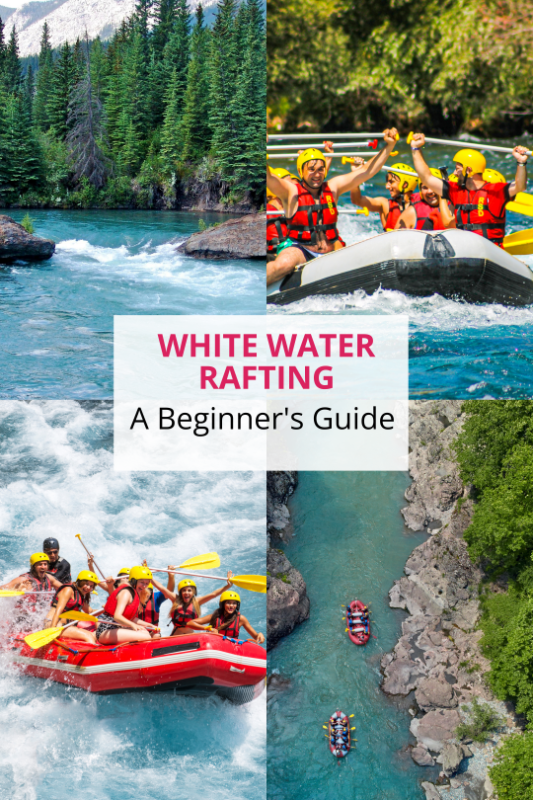
Half-day trips usually run three to four hours, including a safety briefing, gear fitting, and the time spent actually on the water. Guides walk through paddle commands, what to do if someone falls out of the raft, and how to read the guide's signals before ever pushing off from shore. Once on the river, a typical trip alternates between short stretches of rapids and calmer pools where everyone catches their breath and takes in the scenery.
Groups typically consist of six to eight people per raft, plus a guide who steers from the back and calls out instructions. Anyone looking into options for Denver white water rafting will find that most companies offer both half-day and full-day packages, with the shorter trips being the better starting point for someone testing the waters, literally, for the first time.
What to Wear and Bring
Quick-dry clothing matters more than anything else on a rafting trip. Synthetic fabrics or swimwear under a layer of athletic clothing work better than cotton, which stays wet and heavy for hours. Water shoes or old sneakers with a secured strap are worth bringing since sandals tend to fall off in rapids.
Outfitters supply personal flotation devices, helmets, and paddles, so there's no need to buy specialized gear before a first trip. Sunscreen, a hat that won't blow off, and a dry bag for phones or car keys round out the essentials. Most companies offer lockers or secure vehicle storage at the launch site for anything not needed on the water.
Safety Basics Every Beginner Should Know
Guides cover safety procedures before every trip, but understanding a few basics ahead of time helps calm nerves. If someone falls out of the raft, the instinct is to float on their back with feet pointed downstream, away from rocks, until a guide or teammate can pull them back in. Listening for paddle commands like "forward," "back paddle," and "high side" and responding quickly is more important than paddling hard.
Weather and water levels change daily, so reputable outfitters monitor river conditions closely and adjust routes or cancel trips when necessary. Spring runoff, typically from May through early July, brings higher and faster water, which can turn moderate rapids into more serious ones. Late summer trips tend to run calmer, making July and August a more forgiving window for nervous first-timers.
When to Book a Trip
Weekends fill up fast during peak season, especially June and July when runoff levels peak and demand is highest. Booking at least a week in advance gives better odds of getting a preferred time slot, particularly for popular stretches like Browns Canyon. Weekday trips often have more availability and sometimes smaller group sizes, which can make for a more personalized experience with the guide.
Starting with a half-day trip on a Class II or III river gives a realistic sense of what rafting involves without overcommitting time or nerve. Once that first run feels comfortable, moving up to a full-day trip or a higher-classification river becomes a much easier decision, made with actual experience instead of guesswork.

Book your experience now!