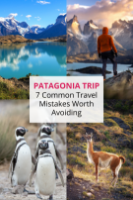
7 Common Patagonia Travel Mistakes Worth Avoiding
Patagonia 02 November 2026



7 Patagonia Travel Mistakes Worth Avoiding
Patagonia spans over 400,000 square miles across Chile and Argentina, and that scale trips up even experienced travelers. The region's weather shifts in minutes, distances between towns stretch for hours, and the high season books out months in advance. Here are seven mistakes that turn a dream trip into a frustrating one, and how to sidestep each.
Underestimating Travel Time Between Regions
Patagonia looks compact on a map of South America, but it isn't. Driving from El Calafate to El Chaltén takes roughly three hours, and getting from Torres del Paine to Ushuaia requires multiple flights or a two-day drive through Argentina. Travelers often try to cram Chilean and Argentine Patagonia into a single week, only to spend most of it in transit.
Build in realistic buffer days, especially around border crossings, which can take two to four hours depending on the season and how many buses arrive at once. A trip covering both countries typically needs at least 12 to 14 days to feel unrushed.
Packing for One Season Instead of Four
Patagonia's weather doesn't follow a single forecast for the day. Temperatures can swing 20 degrees Fahrenheit between morning and afternoon, and wind gusts in Torres del Paine regularly exceed 60 miles per hour even in summer. Packing only warm layers or only rain gear leaves you unprepared for whatever actually shows up.
Layering is the only system that works here: a moisture-wicking base, an insulating mid-layer, and a windproof, waterproof shell. Pack gloves and a hat even if traveling in January, which is peak summer in the Southern Hemisphere.
Booking Too Late for High Season
December through February is high season in Patagonia, and the popular multi-day treks, like the W Trek or the full Circuit in Torres del Paine, require refugio or campsite reservations that sell out six to nine months ahead. Showing up without a confirmed itinerary during these months often means getting turned away from trailheads or paying inflated last-minute rates.
If trekking independently sounds too complicated to coordinate, working with an outfitter that specializes in Patagonia luxury tours takes the guesswork out of permits, lodging, and transport logistics, while still allowing for flexibility once you're on the ground. Booking refugios, estancias, or hotels at least six months out is the safer bet regardless of how you plan to travel.
Skipping Travel Insurance With Evacuation Coverage
Patagonia's remoteness means medical help isn't always close. A sprained ankle on the Torres del Paine Circuit could mean a multi-hour wait for assistance, and serious injuries sometimes require helicopter evacuation, which can cost upward of $10,000 without coverage. Standard travel insurance policies often exclude trekking above certain altitudes or in remote backcountry areas.
Check the policy wording before buying, not after an incident happens. Look specifically for evacuation coverage and confirm that hiking and trekking activities are included, not just general trip cancellation protection.
Ignoring the Need for Cash in Smaller Towns
Credit cards work fine in cities like Puerto Natales, El Calafate, and Ushuaia, but smaller outposts and some estancias still operate on cash only, particularly for park entrance fees, local transport, or small family-run restaurants. ATMs can be scarce outside major towns, and some charge steep withdrawal fees or run out of cash during busy weeks.
Carry Chilean pesos and Argentine pesos separately, since currency exchange between the two can be inconvenient and costly outside major cities. Withdrawing extra cash before heading into rural areas saves headaches later.
Choosing the Wrong Base Town for Your Itinerary
El Calafate makes sense for visiting Perito Moreno Glacier, but it's a poor base for trekking in El Chaltén, which sits three hours away. Similarly, Puerto Natales serves Torres del Paine well, but travelers sometimes book accommodations in Punta Arenas instead, adding an unnecessary three-hour drive each way to the park entrance.
Match your base town to your actual itinerary rather than booking based on flight availability alone. A little research into which activities cluster near which towns prevents days lost to avoidable driving.
Overlooking Wildlife Viewing Seasons
Patagonia's wildlife follows seasonal patterns that many travelers don't research ahead of time. Orca sightings near Peninsula Valdés peak between September and April, while penguin colonies are most active from October through March before chicks fledge and colonies disperse. Visiting outside these windows often means missing the wildlife that drew travelers there in the first place.
Checking species-specific timing before locking in travel dates matters more in Patagonia than in most destinations, since the viewing seasons are narrow and don't overlap neatly with peak trekking months.
Avoiding these seven mistakes comes down to one underlying habit: treating Patagonia as a region of distinct, loosely connected destinations rather than a single easy loop. Plan around travel time, weather variability, and seasonal wildlife patterns first, and the logistics of booking and packing tend to fall into place naturally.

Book your experience now!