Cost of Migrating to Australia in 2026: A Full Breakdown
Australia 29 October 2026
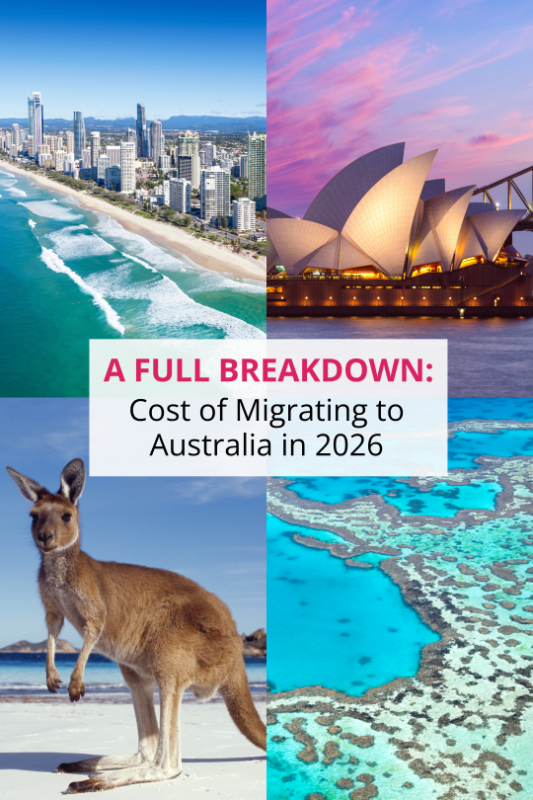


Cost of Migrating to Australia in 2026: A Full Breakdown
Migrating to Australia is one of the biggest financial decisions you will make, and the visa fee is only part of the bill. Skills assessments, English tests, medicals, shipping your belongings, bringing a pet and setting up a new home all add up quickly.
Visa application charges also rose by around 25% on 1 July 2026, so many older cost guides are now out of date. This guide breaks down every major cost of migrating to Australia with current figures, so you can plan a realistic budget before you lodge anything.
Two areas are worth getting professional help with early. A migration specialist such as IMMagine Immigration can confirm the right visa before you spend money on applications, and a freight forwarder and customs broker like Powerhouse International can manage customs clearance and biosecurity when your belongings arrive.
All figures are current as of the day of publishing this article, and in Australian dollars unless stated otherwise. Please see relevant government websites for the most accurate and up to date information on specific pricing, terms and conditions.
Australian Visa Fees in 2026
The visa application charge is paid when you lodge your application, and it is usually the single largest government cost. Charges are reviewed every financial year, and the 1 July 2026 increase was one of the largest in years.
Visa fees for a Primary applicant
Subclass 189 Skilled Independent - $6,135
Subclass 190 Skilled Nominated - $6,140
Subclass 491 Skilled Work Regional - $6,140
Subclass 186 Employer Nomination Scheme - $6,140
Subclass 482 Skills in Demand - $4,015
Partner visa (820/801 and 309/100) - $11,710
Family members are charged on top. For a Subclass 189 visa, each additional applicant aged 18 or over costs $3,070 and each child under 18 costs $1,540. That means a couple with two young children will pay $12,285 in visa charges before any other costs.
Always check the current charge in the Department of Home Affairs visa pricing estimator before you lodge, as fees can change and card payment surcharges may apply.
Skills Assessment Fees
Most skilled and employer sponsored visas require a positive skills assessment from the authority that covers your occupation. The fee depends on who assesses you.
Assessing authority
Standard fee
VETASSESS (professional occupations)
$1,146 (lodged from outside Australia, excludes GST)
ACS (ICT occupations)
$1,498
Engineers Australia (CDR pathway)
$1,034
TRA Migration Skills Assessment (trades)
$795
Budget extra for certified copies, translations and priority processing if you need a faster result. A rejected assessment means paying again, so get your documents and employment evidence right the first time.
English Tests, Medicals and Police Checks
English tests: Expect to pay roughly $400 to $500 per attempt for an accepted test such as PTE Academic or IELTS. Many skilled applicants sit the test more than once to reach the score that maximises their points.
Health examinations: Every applicant, including children, completes health examinations with an approved panel clinic. Costs vary by country and age, but budget a few hundred dollars per person.
Police certificates: You will need a police certificate from each country where you have lived for 12 months or more in the last 10 years since turning 16. Fees vary by country, and some certificates take weeks to arrive, so apply early.
Shipping Your Belongings to Australia
For many families, moving their household is the second biggest cost after the visa. What you pay depends on how much you bring, where you are shipping from and whether you share a container.
Option
Typical cost
Best for
Shared container
From around $3,000
Boxes and a few pieces of furniture
20ft full container
Around $9,000 to $15,000 door to door
Two to three bedroom homes
40ft full container
From around $15,000
Larger family homes
Sea freight usually takes 6 to 12 weeks door to door, so most people ship a few weeks before they fly and live out of suitcases on arrival.
The good news is that personal effects you have owned and used for at least 12 months can generally enter Australia free of duty and GST when you migrate. You will need to complete an Unaccompanied Personal Effects Statement, and every shipment still goes through biosecurity. Outdoor gear with soil on it, untreated timber, cane furniture and food items are commonly held for inspection or treatment, and you pay those costs.
If your goods are coming into Brisbane, or you are bringing something more complex such as a vehicle, machinery or trade equipment, an experienced freight forwarder and customs broker like Powerhouse International can manage the shipping, customs clearance and biosecurity paperwork for you.
Tip: Do not book a container before your visa is granted. If your application is delayed or refused, you could be left paying storage on goods with nowhere to go.
Bringing Your Pet
Moving a cat or dog to Australia is a long and costly process. Depending on where you are coming from, preparation can take seven months or more, including vaccinations, a rabies antibody blood test, an import permit and a booking at the government quarantine facility in Mickleham, Victoria.
Pets fly into Melbourne as cargo and complete a minimum 10 day quarantine stay. Government quarantine fees alone are roughly $2,000 for a standard 10 day stay. Once vet work, permits, crates, flights and a pet transport agent are included, many families spend $10,000 or more per dog.
Start the pet process at the same time as your visa application, not after the grant, or it can delay your move.
Setting Up Your First Home
Arrival costs are the ones most people underestimate. Plan for:
Flights for the whole family, usually one way.
Temporary accommodation for your first few weeks while you search for a rental.
A rental bond, usually four weeks rent, plus rent paid in advance.
A car, as public transport is limited outside the major city centres.
Furniture and appliances if you did not ship them.
Health cover. Permanent visa holders can usually enrol in Medicare, but most temporary visa holders, including Subclass 482 holders, must hold private health insurance as a visa condition.
Living costs until your first pay arrives, which can take several weeks or months if you arrive without a job.
Example Budgets
Here is how the numbers can look for two common situations. These are estimates only, and your figures will depend on your occupation, origin country and lifestyle.
Cost
Single skilled migrant
Family of four (189 visa)
Visa charges
$6,135
$12,285
Skills assessment
$1,146
$1,146
English tests, medicals and police checks
$1,000
$2,500
Shipping
$3,000 (shared container)
$12,000 (20ft container)
Flights
$1,500
$6,000
Arrival and setup
$8,000
$15,000
Estimated total
Around $21,000
Around $49,000
Bringing a dog or cat? Add $10,000 or more for each pet.
How to Reduce the Cost of Migrating to Australia
Get your skills assessment and English test right the first time to avoid paying twice.
Choose the right visa from the start. Lodging the wrong visa can cost you the full application charge with nothing to show for it.
Sell bulky or low value furniture and ship only what is expensive to replace.
Compare shared and full container quotes, and get them in writing with customs clearance and delivery included.
Clean outdoor items thoroughly before packing to avoid biosecurity treatment fees.
Ship after your visa is granted, not before.
Frequently Asked Questions
How much does it cost to migrate to Australia?
Most single skilled migrants should budget at least $20,000, while a family of four shipping a household can expect to spend around $50,000 or more once visa charges, shipping, flights and setup costs are included.
What is the most expensive part of moving to Australia?
For most families it is either the visa application charges or shipping a full container of belongings. Partner visas are the most expensive common visa, with a primary applicant charge of $11,710.
Can I bring my furniture to Australia duty free?
Generally yes, if you have owned and used the items for at least 12 months and you are migrating. Your goods must still pass biosecurity inspection.
Are visa fees refunded if my application is refused?
In most cases, no. This is why choosing the right visa and preparing a complete application matters so much.
Plan Your Move With Confidence
The biggest avoidable cost in migration is a refused or wrongly chosen visa. Before you spend money on assessments, tests or shipping, talk to a migration specialist such as IMMagine Immigration, who can assess your eligibility, recommend the right visa pathway and help you plan a realistic timeline for your move to Australia.
Book your experience now!