Everything to Know Before Booking a Patagonia Tour
Patagonia 01 November 2026
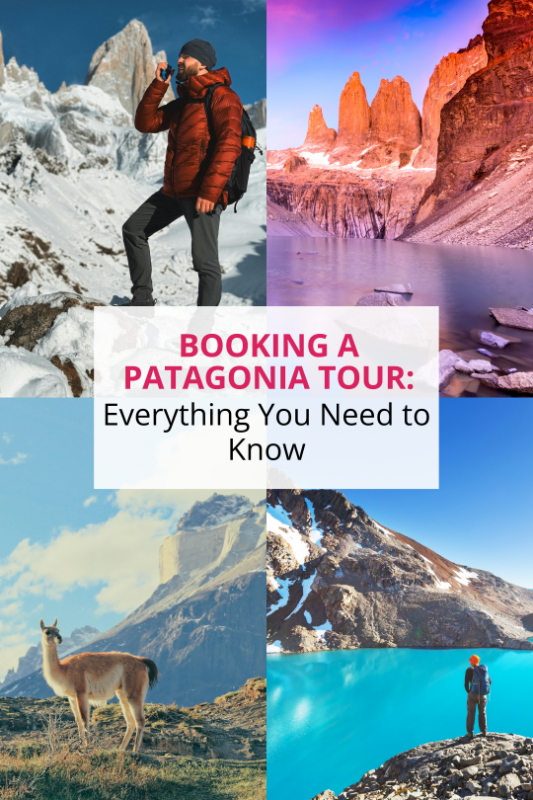


Everything to Know Before Booking a Patagonia Tour
Patagonia spans roughly 400,000 square miles across southern Argentina and Chile, which means "visiting Patagonia" can mean a dozen different trips depending on what you're after.
Glacier trekking in El Calafate looks nothing like sailing the fjords near Punta Arenas, and the Torres del Paine circuit demands a different kind of planning than a wildlife-focused trip to Peninsula Valdés. Before you book anything, it helps to understand what you're actually choosing between.
Decide Which Patagonia You Want
The region splits into Argentine Patagonia and Chilean Patagonia, and most trips lean heavily toward one side or combine both through a border crossing. Argentine Patagonia gives you access to Los Glaciares National Park, the town of El Chaltén for hiking, and the Valdés Peninsula for marine wildlife. Chilean Patagonia centers on Torres del Paine National Park, the Carretera Austral, and fjord cruising through channels like the Beagle Channel.
Crossing between the two adds a day or more depending on the route, so factor that into any itinerary that tries to cover both. Many travelers pick one country and go deep rather than splitting time and losing days to border logistics. If wildlife and open steppe appeal more than mountain scenery, Argentina often wins; if dramatic granite peaks and glacier hiking are the priority, Chile usually takes it.
Time Your Trip to the Season, Not the Calendar
Patagonia's seasons run opposite to the Northern Hemisphere, with summer stretching from December through February and winter from June through August. Summer brings the longest daylight, sometimes 17 hours in December, and the most stable weather for trekking. It's also when every refugio, hotel, and cruise cabin fills up fastest, so booking four to six months ahead isn't excessive for peak season.
Shoulder seasons, specifically October to November and March to April, offer a real advantage: fewer crowds, lower prices, and still-manageable weather. Autumn in particular turns the lenga and ñire forests around El Chaltén into a mix of orange and red that doesn't show up in summer photos. Winter is viable for specific activities like skiing near Ushuaia or wildlife viewing, but many hiking trails and some tour operators shut down entirely.
Understand What a Guided Tour Actually Covers
Independent travel through Patagonia is possible but logistically demanding, given long distances between towns, limited public transit, and weather that can cancel flights or ferries without much warning. A guided structure removes a lot of that risk by handling transfers, permits, and backup plans when a storm closes a trail or delays a boat. For travelers who want glacier trekking, fjord navigation, and wildlife spotting without building every connection themselves, booking through established Patagonia tours can simplify a region that otherwise punishes loose planning.
That said, not every tour covers the same ground. Some focus narrowly on Torres del Paine trekking, others on cruising past glaciers like Perito Moreno or Pío XI, and some combine both land and sea components over 10 to 14 days. Read the day-by-day itinerary closely rather than relying on marketing copy, since "Patagonia" in a tour name doesn't guarantee which specific parks or towns are included.
Pack for Four Seasons in One Day
Patagonian weather changes fast, driven by wind systems that sweep in off the Pacific with little warning. Wind speeds in Torres del Paine regularly hit 50 miles per hour, and gusts during storms have been clocked over 100. Layering matters more than any single piece of gear: a moisture-wicking base, an insulating mid-layer, and a genuinely waterproof and windproof outer shell.
Sturdy, broken-in hiking boots are non-negotiable if any part of the trip involves trails, since terrain often mixes mud, loose scree, and exposed rock within the same hour. A daypack with a rain cover, sunglasses rated for glacier glare, and sunscreen matter even in cooler months because the ozone layer thins significantly over this latitude in spring. Pack light on clothing variety and heavy on layering pieces that mix and match.
Budget for Remote-Area Pricing
Patagonia isn't a budget destination, largely because of how remote and sparsely populated it is. A mid-range 10-day trip covering flights within the region, lodging, and guided excursions typically runs $3,000 to $5,000 per person, not including international airfare to Buenos Aires or Santiago. National park entry fees, like the roughly $35 fee for Torres del Paine, add up alongside optional activities such as boat excursions to glacier faces.
Domestic flights between hub cities like El Calafate, Punta Arenas, and Ushuaia save enormous amounts of time compared to driving, but they sell out early during summer and carry premium pricing. Booking these flights alongside accommodations, rather than after other plans are locked in, generally saves money and stress.
Final Planning Takeaway
The single most useful thing to do before booking anything is match the season and region to the specific activity that matters most, whether that's trekking the W Circuit, watching orcas hunt near Valdés, or photographing Perito Moreno's ice calving into Lago Argentino. Patagonia rewards specificity in planning far more than it rewards flexibility once you've arrived, since distances and weather leave little room for improvising a new plan on the ground.

Book your experience now!