How To Feel Stronger Before Your Next Hiking Weekend
Australia 20 July 2026



A hiking weekend can look very simple when it is still just a plan. Pick a track, check the weather, pack snacks, leave early. Easy enough.
Then the day comes. The first hill feels longer than it looked on the map. The sun has a bit more bite than expected. Someone’s new shoes start rubbing. The backpack that felt light in the kitchen is suddenly annoying.
That is the part people forget. Hiking is still walking, but it is walking with steps, loose ground, sand, heat, tired legs, and a bag on your back. A little prep during the week can make the whole thing feel better.
Before The Track
Most people do not need a proper training plan for a weekend hike. That sounds too serious anyway. What helps more is giving the body a few reminders before Saturday.
A normal week does not always do that. Sitting at work, driving, standing in the kitchen, walking through the shops, and taking the bins out are not the same as walking for hours on a trail. The body can handle more than we think, but it does not love surprises.
Australian tracks can change quickly, too. A neat boardwalk can become sand. A shaded bush track can open into a hot climb. A short lookout walk can hide stairs near the end. It is not always hard, just different underfoot.
A few short walks during the week help. So do stairs, light leg work, and a bit of stretching. Nothing dramatic. Just enough so the first hour does not feel like the body has been thrown into the weekend cold.
The First Climb Tells You Plenty
Every group has that moment on the first hill. The talking slows down. Someone stops for water earlier than planned. Someone pretends to take a photo because the view is “nice,” even if it is mostly trees.
Climbing uses more than the front of the legs. The glutes push each step. The calves do plenty of work. The hips keep the stride from getting messy. The core helps keep the body upright when the track gets steep, or the pack starts dragging the shoulders down.
This is where plain exercises are useful. Step-ups on a low bench. Slow squats. Glute bridges. Calf raises while the kettle boils. A few lunges if they feel okay on the knees.
No one needs to destroy their legs before a hiking weekend. Sore legs before the walk is a bad trade. The aim is just to make hills feel less rude.
Downhill Has Its Own Problems
The climb gets most of the attention, but the way down can be harder on the body. At first, it feels like the easy part. Then the thighs start working to slow each step, the knees feel the drop, and the ankles keep adjusting to loose ground.
A biomechanics study also found that downhill walking can place more demand on the knees, which explains why the descent often feels worse than expected.
Loose gravel is the worst for this. Wet steps are not much better. Roots, rocks, and sandy slopes all make the body work harder to stay steady.
Slow control work helps more than fast reps. Step-downs from a low step are good. Wall sits are useful. Slow lunges help too. The point is not speed. The point is teaching the legs to lower the body without dropping into every step.
The Bag Feels Fine Until It Does Not
A day pack always feels lighter at home. Water bottle, snacks, sunscreen, phone, keys, a light jacket, maybe a camera. On the kitchen table, it does not look like much.
It is still worth packing properly. NSW National Parks has a simple list of what to bring on a bushwalk, including good shoes, sun protection, clothing, and insect repellent. That is useful, but the bag still needs some sense. Bring what the walk needs, not every “just in case” item in the house.
After a couple of hours, the pack starts telling the truth. One strap rubs. The neck tightens. The lower back feels the weight, especially on steps, loose ground, or a long climb.
This is where a stronger middle helps. Not for looks. Just for staying steady. It helps when the track narrows, when the ground shifts underfoot, or when the bag pulls more to one side. Planks, bird dogs, side holds, and slow Pilates-style moves all help train that control.
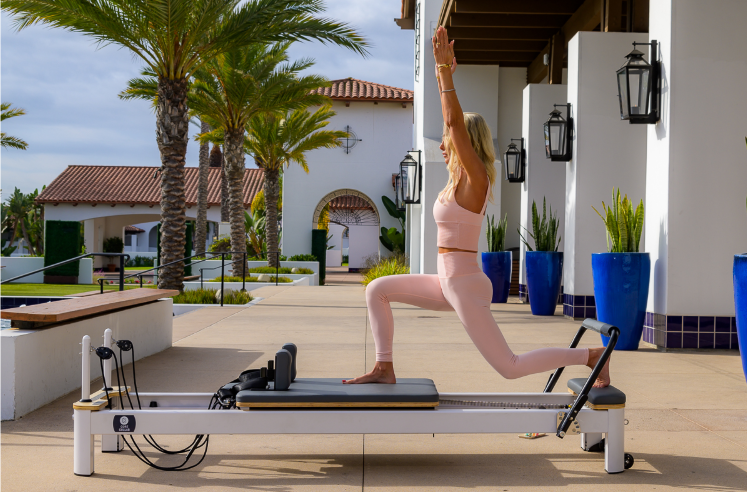
For anyone who likes low-impact training at home, a compact Pilates machine for building hiking strength between trips can fit into the routine. It can help with steadier legs and better control before longer outdoor days.
The hike should still feel like an enjoyable adventure. A bit of prep just makes the body complain less while it is happening.
Feet Deserve More Attention
Feet usually get ignored until they hurt. Then the shoes get blamed. Sometimes that is fair. New boots, thin socks, or old runners can ruin a good walk very quickly.
But the feet and ankles also need some work. Sand makes them work harder. Rocks and roots test balance. Stairs tire the calves. Even a long flat path can feel rough if the lower legs have done nothing all week.
Small things help. Calf raises in the bathroom. Ankle circles while watching TV. Standing on one leg near the kitchen bench. Short barefoot walks at home if the floor is safe.
New shoes need time, too. The week before a hike is not the moment to find out where they rub. Wear them around first. Better to get annoyed close to home than halfway along a track with no easy way back.
Walk A Bit First
Saving all the walking for the weekend sounds normal. It is also the reason the first hour can feel stiff.
A few small walks during the week make a difference. A walk after dinner. A loop around the neighbourhood. A local hill. A few flights of stairs. If the weekend walk is longer, try a short walk with a light backpack.
It helps most before tracks with stairs, soft sand, lookout climbs, or long national park sections. The body handles those things better when it has had a small warning first.
The Bag Can Ruin The Day
Packing well is part of feeling strong. It sounds boring, but it matters.
Water, snacks, sunscreen, a hat, and a light layer are sensible. Track notes are worth checking. If the walk is remote, someone should know the plan.
The mistake is adding too much. Extra clothes, too much food, a large bottle when a smaller one suits the walk, random gear that never leaves the bag. It all becomes weight.
A lighter pack makes the whole day easier. So does packing it properly. Keep heavier items close to the back. Do not let the bag swing around with every step.
And start slower than feels necessary. The first ten minutes are not the place to prove fitness. Plenty of people feel great at the car park and very different on the way back.
The Better Kind Of Tired
Good hiking prep is not about turning a weekend walk into a fitness project. That would take the fun out of it.
It is just a few small things done before the day. Walk a bit. Wake up the legs. Do some slow core work. Give the feet and ankles a little attention. Pack less nonsense.
The reward is simple. The climb feels less sharp. The downhill feels steadier. The bag bothers you less. There is more energy left for the lookout, the swim, the picnic, or the quiet drive home with tired legs and a good kind of calm.
That is the strength most hikers need. Enough to enjoy the day while it is still happening.
Book your experience now!